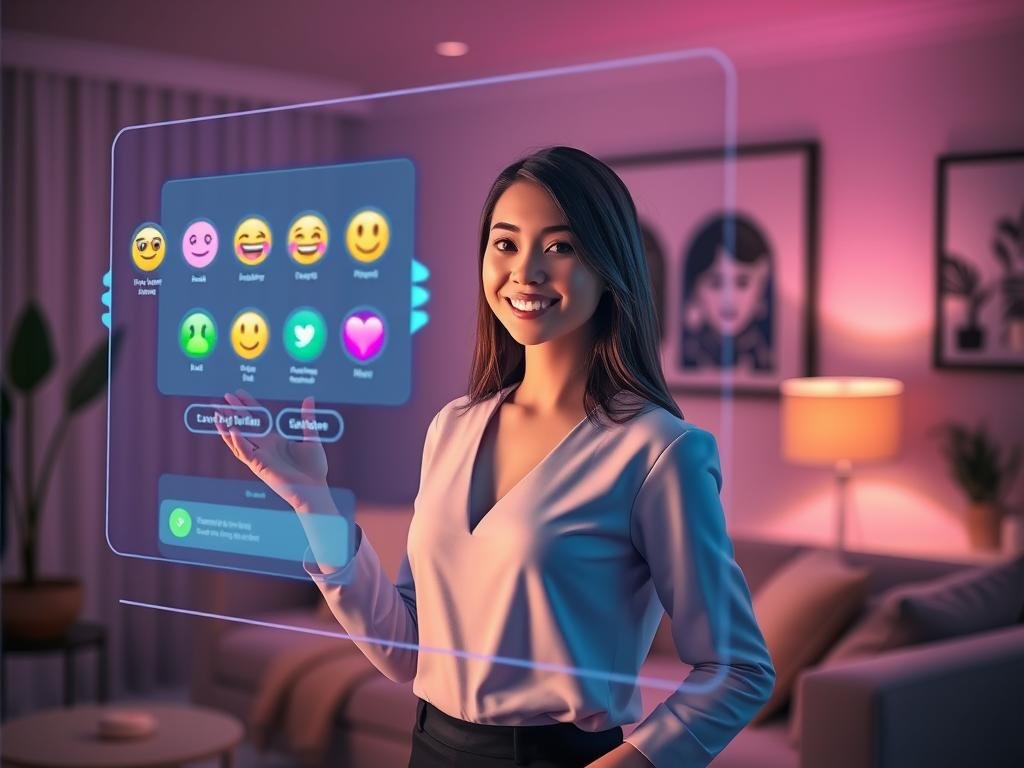

The landscape of human connection is in constant flux, and the digital age has accelerated this evolution at an unprecedented pace. For centuries, the pursuit of romantic partnership has been guided by a mixture of chance, social circles, and increasingly, algorithms. Today, a new player has entered the field, one that is as intriguing as it is potentially transformative: AI chatbots. You might be wondering, how are these digital companions truly altering the dating game? The answer is multifaceted, touching upon how we learn about ourselves, exercise our relationship skills, and ultimately, navigate the complexities of finding love.
The Rise of the Digital Confidant
It wasn’t long ago that the idea of confiding in a machine about one’s romantic aspirations would have seemed like science fiction. Yet, here we are. AI chatbots, powered by sophisticated natural language processing and machine learning, are no longer mere tools for customer service or information retrieval. They have evolved into sophisticated conversational agents capable of engaging in nuanced dialogue, understanding emotional cues, and even offering personalized advice. Their accessibility and anonymity have made them a surprisingly popular and, for some, an indispensable part of their dating journey.
From Novelty to Necessity?
Initially, AI chatbots for companionship or dating advice were viewed as a novelty, a quirky technological experiment for those who struggled with traditional social interaction. However, as the technology has matured, so too has its perceived utility. For individuals facing social anxieties, geographical limitations, or simply a desire for a low-pressure environment to practice communication, these chatbots have emerged as a readily available resource. They offer a safe harbor where one can express vulnerabilities, explore desires, and receive feedback without the immediate stakes of human interaction.
The Architecture of Empathy (Artificial)
The perceived “empathy” of these chatbots is a carefully constructed output. They are not experiencing emotions in the human sense; rather, they are trained on vast datasets of human conversation, learning to recognize patterns, predict responses, and generate text that mimics understanding and care. This artificial empathy, while not authentic, can be surprisingly effective in making users feel heard and validated. Think of it like a skilled actor delivering a heartfelt performance – the emotion is conveyed, even if the actor isn’t personally experiencing it.
Practicing the Art of Connection
Dating can feel like a performance art, requiring a delicate balance of vulnerability, wit, and social intelligence. For many, especially in an era of curated online profiles and fleeting digital interactions, honing these skills can be a daunting task. AI chatbots offer a unique training ground, a digital dojo where one can flex their conversational muscles.
The Rehearsal Space for Romance
Before stepping onto the actual dating stage, many people are now using AI chatbots as a rehearsal space. They might practice initiating conversations, crafting witty replies, or even articulating their deepest desires and insecurities. This allows for experimentation and refinement without the fear of rejection or awkward silences that can plague real-life encounters. Imagine it as a playwright endlessly revising dialogue before the premiere performance – the chatbot is the ultimate writing partner, always ready to receive and adapt.
Deconstructing Attraction and Compatibility
Beyond simple conversation practice, some AI chatbots are designed to help users understand the mechanics of attraction and compatibility. By analyzing user responses about their preferences, values, and past experiences, these bots can offer insights into what makes a connection tick. They can highlight recurring patterns in user behavior, suggest communication strategies, and even help users identify potential red flags in their own dating patterns. This analytical approach can be a powerful tool for self-discovery, akin to a personal dating coach analyzing your game film.
Navigating the Ethical Minefield
The integration of AI into something as profoundly human as love and romance naturally raises a host of ethical questions. As these digital companions become more sophisticated, the lines between artificial and authentic interaction begin to blur, prompting a critical examination of their impact.
The Illusion of Intimacy
One of the primary ethical concerns revolves around the illusion of intimacy. While a chatbot can provide comfort and a sense of connection, it cannot replicate the depth of genuine human emotional reciprocity. Over-reliance on AI for companionship can potentially lead to a diminished capacity for real-world relationship building, as individuals may become accustomed to a form of interaction that is always accommodating, never challenging, and ultimately, lacks the unpredictable beauty of authentic human connection. It’s like learning to swim in a perfectly still, controlled pool and then expecting to navigate the unpredictable tides of the ocean.
Data Privacy and Manipulation
The data collected by these AI platforms is also a significant ethical consideration. To personalize their interactions, these chatbots gather extensive information about their users’ preferences, vulnerabilities, and even their deepest romantic fantasies. The secure storage and ethical use of this sensitive data are paramount. Furthermore, there is a potential for these systems to be used for subtle manipulation, guiding users towards certain behaviors or even influencing their perceptions of potential human partners.
The Shifting Definition of ‘Real’ Relationships
Ultimately, the rise of AI chatbots in dating forces us to confront what we truly mean by a “real” relationship. Is it solely defined by biological human interaction, or can a meaningful, albeit different, form of connection exist with an artificial intelligence? This is a philosophical debate that will likely evolve alongside the technology itself. The chatbot, in this context, acts as a mirror, reflecting back our own evolving definitions of connection and companionship.
AI as a Springboard, Not a Stoplace
It is crucial to view AI chatbots as potential tools to augment, rather than replace, human connection. While they offer unique benefits, the ultimate goal of dating remains to forge meaningful relationships with other human beings. The insights gained from interacting with a chatbot can serve as a valuable stepping stone, preparing individuals for the richer, more complex tapestry of human romance.
Bridging the Gap to Human Interaction
For those who struggle with initiating conversations or overcoming shyness, AI chatbots can act as a crucial bridge. By building confidence and refining communication skills in a low-stakes environment, users can feel more empowered to engage in real-world dating scenarios. The practice they receive can be likened to an athlete rigorously training in the gym before a major competition – the gains made in isolation translate to improved performance in the arena.
Understanding Your Own Needs and Desires
Interacting with an AI can also be a powerful tool for self-discovery. By articulating your thoughts and feelings to a non-judgmental artificial entity, you can gain clarity on your own needs, desires, and boundaries within relationships. This introspection, facilitated by the chatbot’s ability to prompt and reflect, can lead to more informed choices when seeking romantic partners. It’s like having an unbiased sounding board that helps you hear your own inner voice more clearly.
The Future of Love in a Digital World
The integration of AI into our romantic lives is not a fleeting trend; it is a developing aspect of the digital age’s impact on human relationships. As AI technology continues to advance, its role in dating and companionship will undoubtedly evolve. The key will be to navigate this evolving landscape with intention and awareness, harnessing the benefits while remaining mindful of the potential pitfalls.
The Evolving Algorithm of Affection
We are witnessing the birth of a new algorithm of affection, one that incorporates digital assistance. The future might see AI seamlessly integrated into dating platforms, not just for matching but for offering real-time conversational coaching, simulating potential date scenarios, or even helping to interpret complex social cues. The goal will be to enhance, not detract from, the human experience of falling in love.
Maintaining Authenticity in a Synthesized World
As AI becomes more prevalent, the challenge for individuals will be to maintain authenticity in their pursuit of love. The allure of a perfectly tailored, always-agreeable digital companion is strong, but it is in the imperfections, the differences, and the authentic expressions of human emotion that true, lasting connection is often forged. The ultimate triumph of love in the digital age will be the ability to leverage these new tools without losing sight of the irreplaceable essence of human-to-human connection.
FAQs
What are AI chatbots in the context of dating?
AI chatbots are computer programs designed to simulate conversation with human users, typically over the internet. In the context of dating, AI chatbots are being used to interact with users on dating platforms, providing conversation and companionship.
How are AI chatbots changing the dating game?
AI chatbots are changing the dating game by providing users with a new way to interact and connect with potential partners. They can offer personalized conversation, companionship, and even advice, enhancing the overall dating experience.
What are the benefits of using AI chatbots in dating?
Some benefits of using AI chatbots in dating include the ability to practice conversation skills, receive personalized recommendations, and access support and advice. AI chatbots can also help users feel less lonely and provide a sense of companionship.
What are the potential drawbacks of AI chatbots in dating?
Potential drawbacks of AI chatbots in dating include the risk of users becoming overly reliant on artificial companionship, the potential for deceptive practices by chatbot developers, and the lack of genuine human connection that some users may prefer.
How are AI chatbots expected to evolve in the future of dating?
In the future, AI chatbots are expected to become more advanced, offering even more personalized and realistic interactions with users. They may also play a larger role in providing support and guidance throughout the dating process, potentially even acting as virtual dating coaches.